
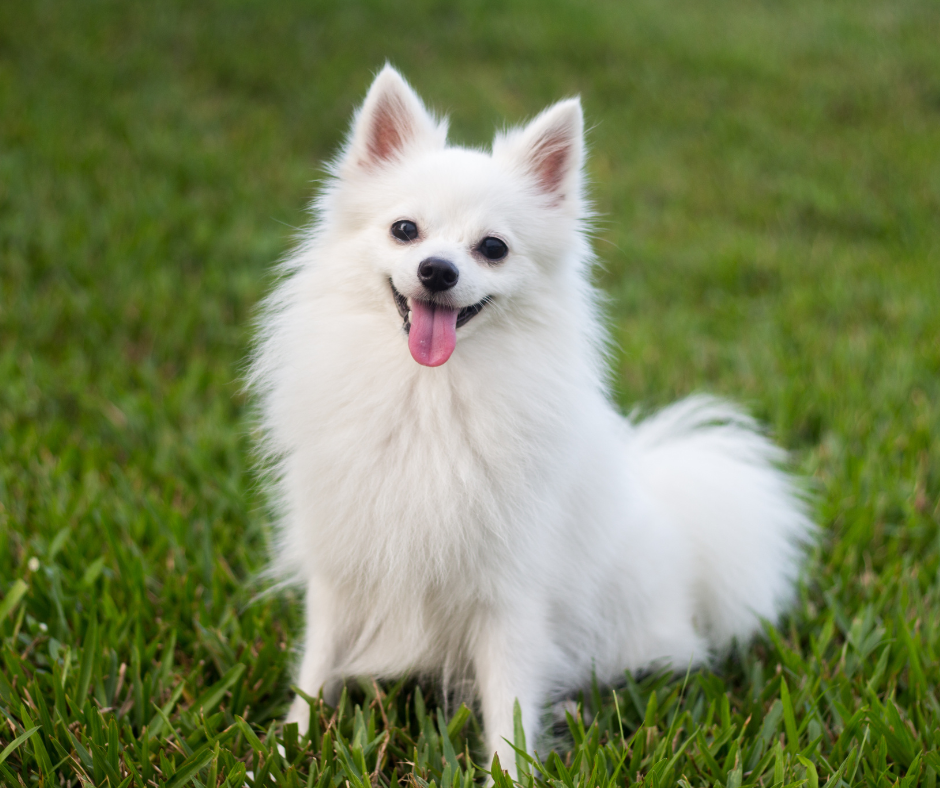
A photograph cannot tell you everything about a dog, but it can determine whether somebody stops long enough to learn more.
For shelters and rescue organisations trying to find homes for dogs, that makes photography surprisingly important. A dog may have a carefully written adoption profile, a wonderful temperament and be perfectly suited to somebody’s home, but the photograph is often the first thing a potential adopter sees.
The good news is that better adoption photographs do not require an expensive camera, a professional photographer or an elaborate setting. A phone, a little time and a few simple changes can make an enormous difference.
Start With The Dog, Not The Photograph
Before thinking about backgrounds, angles or lighting, think about the dog in front of you.
Some dogs will happily sit beside a volunteer and look towards a camera. Others may be excited, distracted or uncomfortable with somebody pointing a phone at them. A newly arrived or nervous dog may simply need more time.
There is little value in getting the photograph today if waiting until tomorrow means showing a much more relaxed dog.
Choose a time when the dog is reasonably settled. For an energetic dog, that might be after a walk rather than before one. For a nervous dog, it may mean spending a few minutes together without taking photographs at all.
The objective is not to make every dog pose. It is to create an opportunity to photograph the dog being themselves.
Look At The Background Before You Look At The Dog
Shelters are working environments. Leads, bowls, cleaning equipment, bedding, gates and people inevitably appear in photographs.
Before taking the picture, look beyond the dog.
Moving a bucket, closing a cupboard or taking three steps towards a less cluttered area can completely change an image. You do not need a studio. A patch of grass, a plain wall, a clean blanket or a quiet corner can be enough.
The dog should be the first thing the eye finds.
Get Down To Their Level
One of the simplest improvements is also one of the easiest.
Instead of standing over the dog and pointing the phone downwards, lower yourself towards their eye level where it is safe to do so. This allows us to see the dog’s face properly and usually creates a much more engaging photograph.
Try different distances too. A close portrait is useful, but so is a photograph showing the dog’s whole body. Potential adopters need some sense of whether a dog is tiny, tall, stocky or long-legged, and that can be surprisingly difficult to judge from a headshot.
Make The Most Of Natural Light
Good light will usually make a bigger difference than expensive equipment.
If possible, photograph outdoors in soft daylight or indoors near a window or open doorway. Strong sunshine can create deep shadows across the face, while a dark kennel can make it difficult for a phone camera to capture a dog’s eyes and expression.
Avoid using flash directly in a dog’s face.
Dark-coated dogs can be particularly difficult to photograph. If the face is disappearing into shadow, try changing position or moving to somewhere with softer, more even light. Check the photographs as you go rather than discovering afterwards that the detail has been lost.
A Second Person Can Make Everything Easier
If two people are available, use them.
One person can concentrate on the dog while the other takes the photographs. The handler can hold the lead, reassure the dog or gently attract their attention while the photographer waits for the right moment.
A treat, toy or familiar sound can sometimes encourage a dog to glance towards the camera, but every photograph does not need to show a dog staring directly into the lens.
Some of the best photographs happen when they don’t.
A dog sniffing the grass, carrying a favourite toy, leaning against somebody or simply watching what is happening around them can reveal far more personality than a carefully arranged pose.
Take Plenty, Publish A Few
Dogs move, blink, turn their heads and lick their noses at precisely the moment the photograph is taken.
Take plenty.
Twenty photographs might produce three really useful ones, and that is enough.
For an adoption profile, try to come away with a small selection that does different jobs:
- A clear photograph of the dog’s face.
- A full-body photograph that gives an idea of their size and build.
- A more natural photograph showing the dog walking, playing, relaxing or interacting.
- If possible, a photograph that captures something distinctive about their personality.
There is rarely any benefit in publishing every photograph taken. Choose the ones that help somebody see and understand the dog.
Let Some Personality Through
An adoption photograph does not have to look like a passport photograph.
If the dog loves carrying a ball, photograph it. If they immediately roll over in the grass, capture it. If they like sitting beside people, that can make a lovely photograph too.
These moments help somebody begin to see an individual rather than simply another dog needing a home.
The important thing is that the photographs remain an honest representation of the dog. We are trying to introduce them, not manufacture a personality for them.
Don’t Forget Video
Sometimes movement tells us what a photograph cannot.
A short clip of a dog walking, playing, investigating a garden or interacting comfortably with a familiar person can help potential adopters understand their size, movement and personality.
It does not need editing, music or professional production. Keep the phone reasonably steady, avoid constant zooming and let the dog provide the content.
Even ten or twenty seconds can be useful.
Give Nervous Dogs Time
Some dogs will not look relaxed in front of a camera because they are not relaxed.
That should be respected.
Do not crowd a frightened dog, repeatedly call for their attention or put them into an unfamiliar situation simply to obtain adoption photographs. Work at a comfortable distance and, where possible, photograph them while they are with somebody they trust or quietly occupied with something else.
As confidence grows, there will usually be more opportunities for photographs.
There is no adoption photograph important enough to justify frightening the dog to get it.
Refresh The Photographs
The first photograph taken of a dog does not have to follow them throughout their time in rescue.
Dogs change.
A dog photographed shortly after arrival may be worried, underweight, unwell or overwhelmed. Several weeks later, that same dog may look and behave very differently.
Updating their photographs allows potential adopters to see the dog as they are now. For long-stay dogs, a new set of photographs can also give an adoption post a fresh lease of life without needing to manufacture a new story or a new reason for sharing them.
Their photographs should be allowed to move forward with them.
A Simple Photograph Checklist
Before publishing, check:
- Can we see the dog’s face clearly?
- Is the photograph reasonably sharp?
- Is the dog’s expression visible?
- Is the background free from unnecessary clutter?
- Do we have a full-body photograph as well as a portrait?
- Can somebody get a reasonable sense of the dog’s size and build?
- Do we have an image that shows something of the dog’s personality?
- Do the photographs represent the dog as they are now?
- Have we avoided publishing multiple photographs that tell us essentially the same thing?
- If the dog was nervous, did we work within their comfort level?
- Would a short video add something the photographs cannot?
- Most importantly, was the dog’s welfare put ahead of getting the shot?
You do not need professional equipment to produce useful adoption photographs.
Sometimes the difference is simply better light, a quieter background, getting down to the dog’s level and waiting a little longer for the right moment.
Because the purpose is not to produce a beautiful photograph for its own sake.
It is to help the right person notice the dog.
Leave a Reply